10% OF EVERY PURCHASE IS DONATED TO SPECIAL OLYMPICS & SPECIAL NEEDS HOCKEY

Sustainability Isn't Optional Anymore: Making Your Brand Eco-Conscious Without Greenwashing
Sustainable Eco Consciousness and its impact on your brand
Tale Tailor
4/22/20264 min read
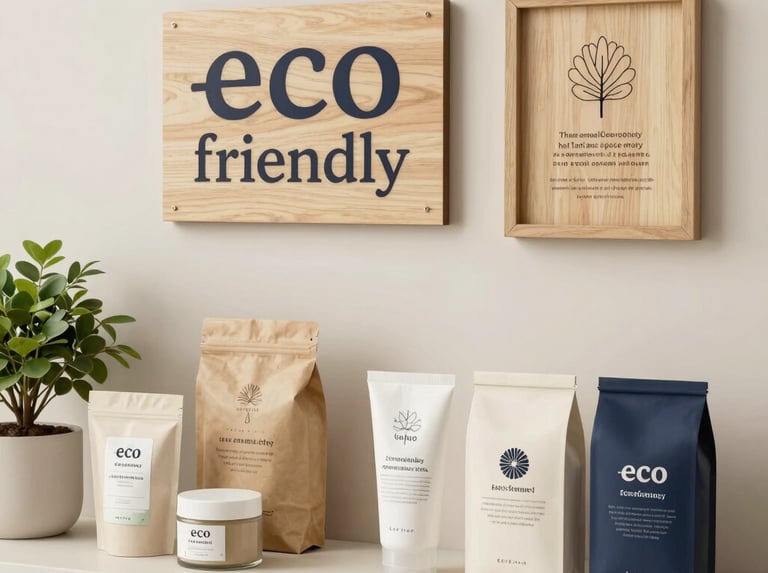
A customer recently asked me: "Is Tale Tailor sustainable?" I froze. Because I wanted to say "yes!" But the honest answer was more complicated: "We're working on it. Here's what we're doing, and here's what we're still improving." That honesty? It matters more than claiming perfection.
In 2026, consumers—especially younger ones—expect brands to care about the planet. But they're also savvy enough to spot greenwashing from a mile away.So how do you make your small business more sustainable without pretending to be something you're not?
Why Sustainability Matters Now
The stats:
88% of consumers want brands to help them be more environmentally friendly
Over 50% of couples prioritize sustainability in their weddings
Gen Z will boycott brands that don't align with their environmental values
The reality: Sustainability isn't a "nice to have." It's a business imperative.
What Greenwashing Looks Like (And Why It Backfires)
Greenwashing = claiming to be eco-friendly without meaningful action.
Examples:
Slapping "eco-friendly" on products without changing anything
Highlighting one tiny green initiative while ignoring major harm
Using vague terms like "natural" or "green" with no specifics
Marketing sustainability you can't prove
Why it fails: Consumers research. They ask questions. They call you out. And when trust is broken, it's nearly impossible to rebuild.
How to Be Genuinely Sustainable (Even on a Small Budget)
1. Start With What You Can Control
You can't solve climate change overnight. But you can make better choices in YOUR business.
Low-cost changes:
Digital-first options: Offer digital downloads instead of only physical products.
Minimal packaging: Use what's necessary, skip the excess
Recycled/recyclable materials: Brown kraft paper, recycled cardboard, paper tape
Local sourcing: Reduces shipping emissions and supports local economy
Energy efficiency: LED bulbs, power-saving settings, efficient equipment
Example: A small bakery switched to compostable packaging and locally-sourced ingredients. Cost increased by 8%, but customers happily paid more.
2. Be Transparent About Your Journey
Don't say: "We're 100% sustainable!" (unless you actually are)
Do say: "We're committed to doing better. Here's what we've done so far, and here's what we're working on next."
Example: "Our digital party kits eliminate shipping waste entirely. We're still working on making our physical products fully sustainable—here's our roadmap."
Why honesty works: People appreciate progress over perfection. Transparency builds trust.
3. Make It Easy for Customers to Participate
Ideas:
Offer a "digital-only" discount
Provide reusable packaging customers can return
Partner with recycling programs
Create products designed to be reused or repurposed
Share tips on how to dispose of/recycle your products responsibly
Example: A clothing brand includes a prepaid shipping label so customers can return worn items for recycling. Customers love it.
4. Choose Sustainable Partners
Questions to ask suppliers/vendors:
What are your sustainability practices?
Where are materials sourced?
What's your waste reduction plan?
Do you use renewable energy?
Vote with your dollars. Supporting sustainable partners makes the whole supply chain better.
5. Reduce, Reuse, Then Recycle
The hierarchy matters:
Reduce - Use less stuff in the first place
Reuse - Design for multiple uses
Recycle - Only as a last resort (recycling still uses energy)
Example: Instead of single-use party decorations, create items that can be reused—fabric banners, wooden signs, durable props.
6. Offset What You Can't Eliminate
Carbon offsetting programs:
Shopify offers carbon-neutral shipping
Services like Pachama or Wren let you offset emissions
Tree-planting programs (One Tree Planted, Eden Reforestation)
Cost: Often just a few dollars per order
Is it perfect? No. But it's better than nothing while you work on bigger changes.
What Sustainable Practices Look Like by Business Type
E-commerce / Product-Based
Plastic-free packaging
Minimal packaging design
Recycled materials
Carbon-neutral shipping
Product take-back programs
Service-Based
Digital contracts and invoices
Virtual meetings when possible
Eco-friendly office supplies
Energy-efficient workspace
Partner with sustainable vendors
Event Planning
Digital invitations and planning tools
Reusable decorations
Local, seasonal food sourcing
Minimal single-use items
Donation or composting plans for leftovers
How to Communicate Your Efforts Without Greenwashing
DO:
✅ Be specific: "We use 100% recycled paper for all packaging"
✅ Share progress: "We've reduced plastic use by 60% this year"
✅ Acknowledge gaps: "We're still working on X, here's our plan"
✅ Provide proof: Certifications, photos, documentation
✅ Educate: Help customers understand WHY it matters
DON'T:
❌ Use vague claims: "Eco-friendly" without details
❌ Exaggerate: "We're saving the planet!" (no single business is)
❌ Hide the bad stuff: Only talk about what you're doing right
❌ Make it your whole brand if it's not: One green initiative doesn't make you a sustainable company
Real Examples from Small Businesses
"We switched to digital-first. Customers can choose print if they want, but 80% choose digital. Less waste, lower costs, everyone wins."
"I source all materials within 50 miles. Shipping costs more, but my eco-conscious customers pay the premium gladly."
"We added a 'bring your own container' option for pickups. 30% of customers do it. Small change, meaningful impact."
"I'm honest: I'm not perfect. But I share every change I make. My customers appreciate the transparency and often suggest ideas."
The Business Case for Sustainability
Beyond ethics, sustainability makes business sense:
Attracts loyal customers willing to pay more
Reduces waste = saves money long-term
Differentiates you from competitors
Builds brand reputation and trust
Future-proofs your business as regulations tighten
ROI example: A small business invested $500 in switching to sustainable packaging. Within 6 months, they attracted 40% more customers who cited sustainability as a deciding factor.
Your Action Plan
Month 1: Audit current practices - where's the waste?
Month 2: Make 2-3 easy swaps (packaging, digital options)
Month 3: Research sustainable suppliers
Month 4: Communicate changes to customers
Month 5: Set bigger goals and timeline
Month 6: Measure impact and adjust
Start small. Stay honest. Keep improving.
The Bottom Line
You don't have to be perfect to be better. You don't need a huge budget to make meaningful changes.
What you need: Intention, transparency, and commitment to progress.
Consumers don't expect perfection. They expect honesty and effort.
So do what you can. Share what you're doing. Keep improving.
That's not greenwashing. That's genuine care—and that's what builds trust and loyalty.
contact us
© 2026. All rights reserved.